
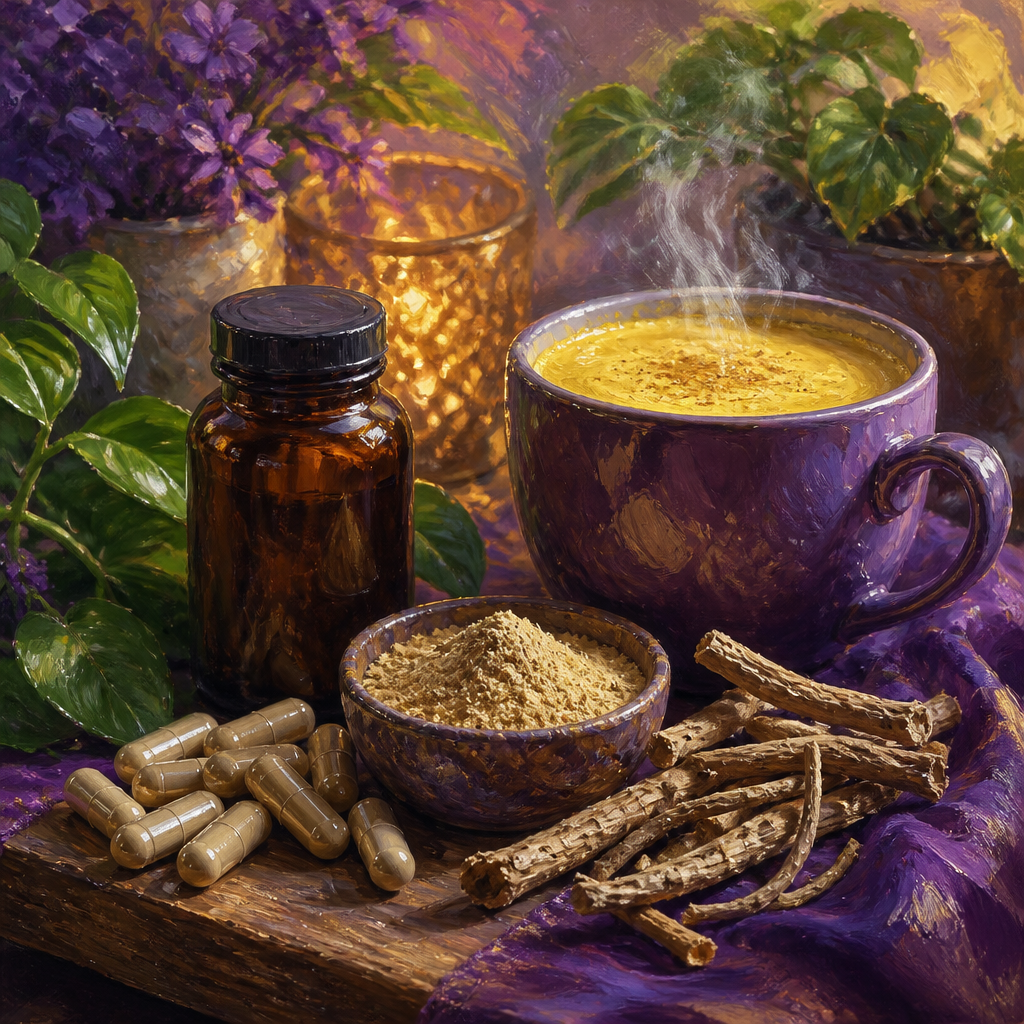
Ashwagandha is an herb used in Ayurvedic traditions and sold as a dietary supplement. If you are exploring it for everyday stress or sleep, this guide offers a balanced starting point: what research suggests, what to check on a label, and what to discuss with your doctor.
What is ashwagandha?
The plant, also called Withania somnifera, is available in capsules, powders, and extracts. Products can contain root, leaf, or a combination. Different preparations are not interchangeable simply because they share the same plant name. “Adaptogen” is a term used in herbal wellness traditions; it does not mean a product is safe for everyone or can treat every form of stress.
What does the research suggest?
The National Center for Complementary and Integrative Health reports that some preparations may help stress and insomnia. Many studies are small and use different extracts, making broad promises inappropriate. Evidence about anxiety is less clear. These findings do not establish that every supplement sold online produces the same result, and they do not show that ashwagandha reverses aging.
A peaceful evening is a lovely aspiration, but a supplement cannot guarantee it. Sleep difficulties or ongoing distress may need evaluation and support beyond a wellness product.
Safety and questions for your doctor
Natural does not automatically mean harmless. Ashwagandha can cause digestive upset or drowsiness, and rare cases of liver injury have been reported. Long-term safety is uncertain. It should be avoided during pregnancy and breastfeeding. People with thyroid or autoimmune conditions, upcoming surgery, or hormone-sensitive prostate cancer should review the specific concerns with a clinician before considering it.
It may interact with medicines, including sedatives, thyroid hormone, medicines for blood pressure or diabetes, anti-seizure medicines, and immunosuppressants. Bring the actual product label and your medication list to your doctor or pharmacist. This page does not recommend a personal dose or replacing prescribed treatment.
How to compare ashwagandha supplements
- Read the preparation: check the plant parts, extract details, amount per serving, and additional ingredients.
- Check quality information: look for independent testing that can be verified. A testing seal is about quality standards, not proof that a product will help you.
- Compare the full cost: serving sizes and pack sizes vary. Read current labels, seller details, and return terms.
- Avoid sweeping promises: claims of guaranteed calm, cellular repair, or age reversal deserve skepticism.
A gentle practice alongside your decision
You can create a quiet moment without buying anything. Set down your phone, sit comfortably, and notice your usual breathing. Ask yourself, “What would make tonight a little easier?” A small practical answer, such as preparing for tomorrow or asking for support, may be more helpful than adding another supplement.
Explore our Gentle Breathing Garden or Worry Release Pond for a peaceful pause.
Explore options in the Fountain of Youth Shop
This is a guide to a product category, not a firsthand test of a particular brand. Listings, formulas, and availability change. Review the current product information before deciding, and browse the Fountain of Youth Shop for related resources.
As an Amazon Associate I earn from qualifying purchases.
Source and further reading
NCCIH: Ashwagandha, usefulness and safety. This guide reflects the philosophy of Ageless Regeneration while distinguishing tradition from medical evidence. Please talk with your own doctor before adding or removing supplements or changing treatment.